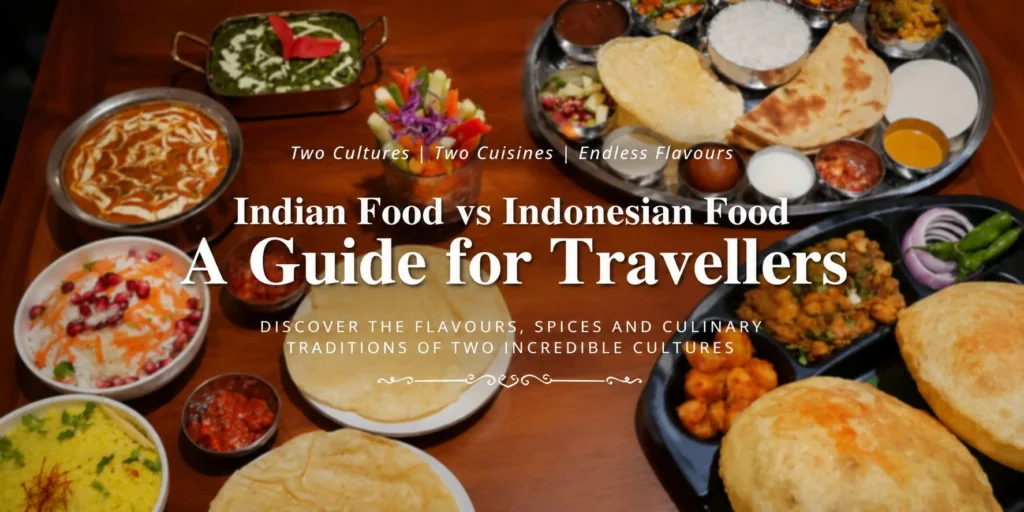
Introduction: Indian Food vs Indonesian Food
Food is an important part of travelling, and Bali offers plenty of opportunities to experience different culinary traditions. Indonesian dishes feature fragrant spice pastes, grilled meats, rice, sambal and coconut-based sauces. Indian cuisine is known for its regional curries, lentils, flatbreads, tandoori specialities and aromatic rice preparations.
Although both cuisines use rice, spices, vegetables and coconut in many recipes, their flavours and cooking techniques are not identical. Understanding Indian food vs Indonesian food helps travellers choose dishes according to their preferences, explore unfamiliar ingredients and make informed decisions about spice levels and dietary requirements.
For visitors staying in Bali, this comparison is especially useful. Local Indonesian food provides an opportunity to experience the island’s culinary culture, while Indian restaurants offer alternatives for those who enjoy curries, grilled dishes, lentils and vegetarian meals.
This guide explains the key differences between the two cuisines, the dishes worth trying, common menu terms and practical tips for choosing food in Canggu and Seminyak.
What Is the Difference Between Indian Food and Indonesian Food?
The main difference between Indian and Indonesian food is how each cuisine combines spices, sauces, staple ingredients and cooking techniques. Indian dishes often feature layered spice blends, lentils, breads and a wide variety of curries. Indonesian dishes commonly combine rice, aromatic spice pastes, chilli condiments, sweet soy sauce and ingredients such as tempeh, tofu, seafood and coconut milk.
Neither cuisine has a single defining flavour. Indian food varies significantly between regions, just as Indonesian cooking differs between Java, Sumatra, Bali and other islands.
Indian Food vs Indonesian Food: A Quick Comparison
| Feature | Indian Food | Indonesian Food |
| Common staples | Rice, roti, naan, lentils and grains | Rice, noodles, cassava and other local staples |
| Seasoning | Ground spices, whole spices and spice blends | Aromatic pastes, fresh herbs, chilli and fermented seasonings |
| Common ingredients | Cumin, coriander, turmeric, ginger and garlic | Shallots, galangal, lemongrass, turmeric and kecap manis |
| Popular dishes | Biryani, dal, butter chicken, dosa and paneer tikka | Nasi goreng, rendang, satay, soto and gado-gado |
| Sauces | Tomato-based gravies, yoghurt sauces and chutneys | Sambal, peanut sauce, soy-based sauces and coconut-based gravies |
| Cooking methods | Tempering, tandoor cooking, simmering and griddle cooking | Stir-frying, grilling, steaming and slow-cooking |
| Vegetarian options | Lentils, paneer, vegetables and meat-free curries | Tofu, tempeh, vegetables and rice dishes |
| Sweet and savoury flavours | Depend on the region and recipe | Sweet soy sauce is common in selected dishes |
These differences are useful guidelines rather than strict rules. Some Indian curries contain coconut milk, while Indonesian recipes can feature intricate spice combinations and substantial chilli heat.
How Do Indian and Indonesian Spices Change the Taste of Food?
Spices influence aroma, colour, heat and flavour. The distinction between the two cuisines becomes clearer when you understand how their ingredients are prepared and combined.
Indian Cuisine: Layered Spices and Regional Recipes
Indian cooking frequently builds flavour in stages. Cooks may toast whole spices, fry aromatics in oil or ghee, add ground seasonings and simmer the ingredients until the flavours develop.
Common ingredients include cumin, coriander, turmeric, cardamom, cloves, cinnamon, black pepper, mustard seeds and ginger. The selection depends on the dish and its regional origin.
A practical Indian spices guide begins with understanding what each ingredient contributes:
- Cumin: Provides an earthy, warm flavour and is frequently used in rice, lentils and curries.
- Coriander: Adds a mild, citrus-like aroma and is common in ground spice blends.
- Turmeric: Contributes a golden colour and an earthy taste.
- Cardamom: Offers a fragrant, sweet-spiced note in selected savoury dishes and desserts.
- Garam masala: A blend of warming spices whose ingredients vary between recipes.
- Mustard seeds: Provide a distinctive flavour, particularly in many regional preparations.
- Curry leaves: Add a fresh, aromatic note to numerous South Indian dishes.
Indian cuisine does not rely on chilli alone for flavour. A dish may be fragrant and richly seasoned without being particularly hot.
Indonesian Cuisine: Aromatic Pastes and Sambal
Indonesian cooking often uses bumbu, a seasoning paste made from ingredients such as shallots, garlic, chilli, turmeric and galangal. Depending on the recipe, it may include candlenuts, ginger, lemongrass and other aromatics.
Sambal is another important part of Indonesian food culture. It refers to a broad family of chilli condiments rather than one standard sauce. Different varieties may contain fresh chillies, tomatoes, lime, shrimp paste or other ingredients.
Kecap manis, a thick and sweet soy sauce, gives selected Indonesian dishes their characteristic sweet-savoury flavour. It is commonly used in preparations such as nasi goreng and certain grilled foods.
Other ingredients worth recognising include:
- Galangal: A root with a sharp, aromatic flavour.
- Lemongrass: Adds a fresh, citrus-like fragrance.
- Tamarind: Contributes acidity to some sauces and soups.
- Coconut milk: Gives selected curries and stews a rich consistency.
- Candlenuts: Used in some seasoning pastes to add body and richness.
The main difference is not that one cuisine uses more spices than the other. It is how those ingredients are selected, prepared and balanced to produce a particular dish.
Which Traditional Indian Dishes Should Travellers Try?
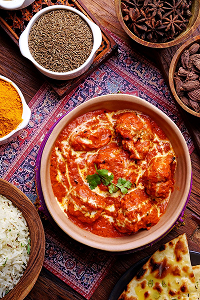
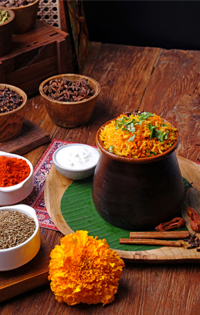
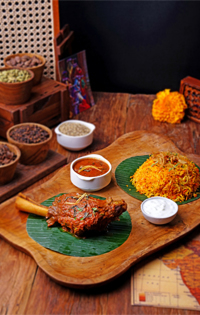
Travellers unfamiliar with Indian food can start with dishes whose main ingredients and preparation methods are easy to understand. The following traditional Indian dishes offer a useful introduction to different flavour profiles.
1. Butter Chicken
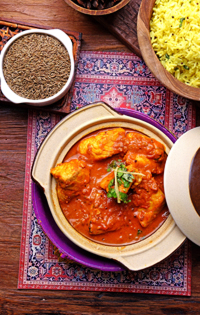
Butter chicken features cooked chicken in a tomato-based gravy, often enriched with butter, cream and aromatic spices. It typically has a rich texture with a balance of savoury, tangy and mildly sweet flavours.
It can be a suitable choice for diners who enjoy creamy sauces. However, spice levels and recipes differ, so ask the restaurant how the dish is prepared.
2. Chicken Tikka and Paneer Tikka
Tikka refers to pieces of food that are marinated and cooked, often using a tandoor or another high-heat cooking method.
Chicken tikka uses chicken, while paneer tikka uses Indian fresh cheese. Both are commonly seasoned with spices, ginger, garlic and, in many recipes, yoghurt-based marinades.
These options suit travellers who prefer grilled food rather than a large serving of curry.
3. Dal Tadka and Dal Makhani
Dal refers to lentils or dishes prepared from pulses. Dal tadka is made with cooked lentils finished with a seasoning of ingredients such as cumin, garlic, chilli and oil or ghee.
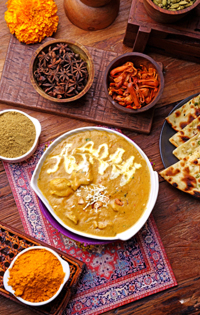
Dal makhani commonly uses black lentils and kidney beans, cooked slowly with a rich sauce. Depending on the recipe, it may contain butter or cream.
Both dishes are worth considering for a vegetarian meal. Vegans should confirm whether dairy products or ghee are used.
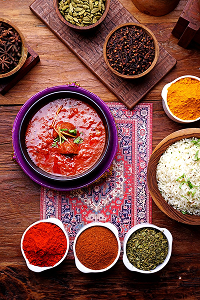
4. Biryani
Biryani is an aromatic rice preparation made with spices and ingredients such as vegetables, chicken or other meats. Cooking techniques differ between regional styles, with some recipes involving layered rice and seasoned ingredients.
It is a good choice for diners who want a rice-based main course with substantial flavour.
5. Dosa
Dosa is a thin South Indian pancake commonly prepared using fermented rice and lentil batter. It may be crisp, soft or somewhere in between, depending on the variety and cooking technique.
Plain dosa is served without a substantial filling, while masala dosa commonly contains seasoned potatoes. Chutney and sambar are frequent accompaniments, although the serving style varies.
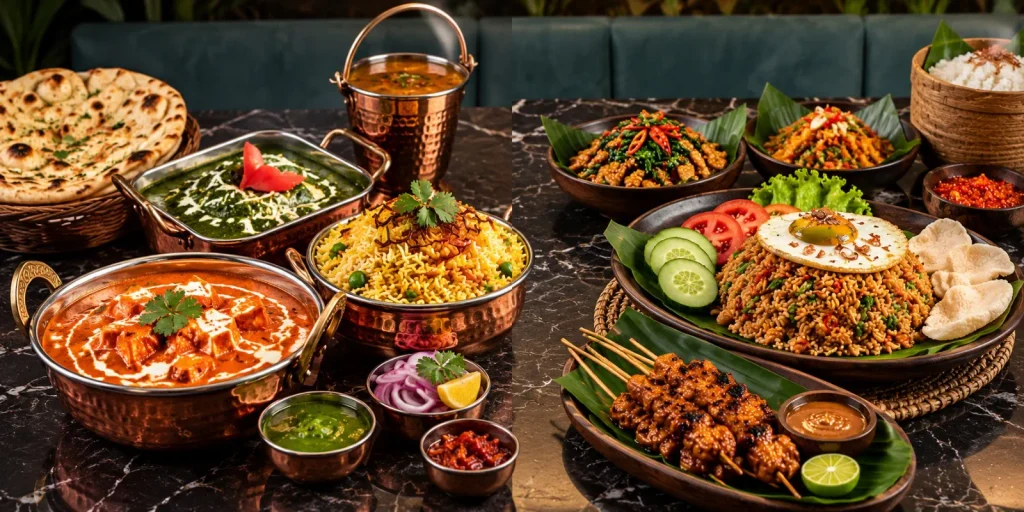
For anyone seeking Indian dishes explained in simple terms, these examples show that Indian cuisine includes much more than curry. Grilled foods, lentil preparations, fermented batters and rice dishes all have distinct characteristics.
Which Indonesian Dishes Should You Try in Bali?
Indonesian cuisine offers a wide selection of rice dishes, grilled foods, soups, vegetable preparations and slow-cooked specialities. These are some of the most recognisable options for travellers.
1. Nasi Goreng
Nasi goreng means fried rice. It is generally prepared with cooked rice, aromatics and seasonings, often including kecap manis. Depending on the recipe, it may contain egg, chicken, seafood or vegetables.
The flavour can range from sweet and savoury to smoky and spicy. Ask whether sambal or shrimp paste is included if you have dietary restrictions.
2. Rendang
Rendang is strongly associated with Minangkabau cuisine from West Sumatra. Traditional versions involve slowly cooking meat with coconut milk and a complex mixture of spices until the liquid reduces and the seasoning becomes concentrated.
The result is a rich, intensely flavoured dish. Traditional beef rendang is not vegetarian, so check the menu for suitable alternatives if you do not eat meat.
3. Satay
Satay, also known as sate, consists of seasoned ingredients cooked on skewers, commonly over a grill. Chicken, beef and other meats are frequently used, and some varieties are served with peanut sauce.
Check the protein, marinade and sauce before ordering, especially if you have a peanut allergy or avoid particular animal products.
4. Gado-Gado
Gado-gado is a vegetable-based Indonesian dish commonly served with peanut sauce. Depending on the recipe, it may include tofu, tempeh, egg and cooked or fresh vegetables.
It can be a useful option for vegetarians, but the sauce and additional ingredients should be checked before ordering.
5. Soto
Soto is a family of Indonesian soups rather than one fixed recipe. Broths and toppings differ between regions and may include chicken, beef, vegetables, noodles or other ingredients.
Ask about the stock and toppings if you follow a vegetarian or vegan diet.
These dishes provide a starting point for anyone searching for indonesian in Bali food experiences. They also demonstrate the variety of Indonesian cooking beyond fried rice and chilli-based dishes.
Is Indian Food Spicier Than Indonesian Food?
Neither cuisine is consistently spicier than the other. The amount of heat depends on the recipe, the type of chilli used and the cook’s preparation method.
Indian cuisine includes mild lentil dishes, creamy curries and plain rice, as well as highly spiced regional preparations. Indonesian food has similar variation, from relatively mild rice dishes to meals served with very hot sambal.
Travellers who prefer mild food should follow these steps:
- Ask whether the dish contains fresh chilli, dried chilli or chilli paste.
- Request a mild preparation where possible.
- Ask for sambal or other chilli sauces on the side.
- Try a small amount of unfamiliar sauce before mixing it into the entire meal.
- Remember that aromatic spices can create a strong flavour without necessarily producing intense heat.
If you have a low tolerance for chilli, explain this when ordering. Simply asking whether a dish is spicy may not provide enough detail about its ingredients.
How Can Travellers Understand an Indian Restaurant Menu?
Unfamiliar menu terms can make ordering difficult, particularly when the same word appears in several dishes. This Indian menu meanings reference explains common terms in straightforward language.
| Menu term | Meaning | What to expect |
| Masala | A spice mixture or seasoned preparation | Ingredients and heat vary |
| Tikka | Marinated pieces cooked using a suitable high-heat method | Often grilled or roasted |
| Tandoori | Prepared in a tandoor or a tandoor-inspired style | Roasted flavour |
| Korma | A style of curry often made with a rich, aromatic sauce | May contain dairy or nuts |
| Dal | Lentils or a lentil-based dish | Thin or thick consistency |
| Paneer | Indian fresh cheese | Frequently used in vegetarian dishes |
| Saag | A preparation made with leafy greens | Often served as a curry |
| Naan | Leavened flatbread | Commonly served with curries |
| Roti | A type of flatbread | Often simpler than naan |
| Biryani | A seasoned rice dish | Made with meat or vegetables |
These definitions are general descriptions, not guarantees of a particular recipe. A restaurant’s version of a dish may differ from another establishment’s preparation.
What Should Beginners Order First?
For Indian cuisine for beginners, choose according to your preferred ingredients and texture.
- For grilled food: Chicken tikka or paneer tikka.
- For creamy curries: Butter chicken or vegetable korma, after checking ingredients.
- For vegetarian meals: Dal, vegetable curry or paneer dishes.
- For rice-based meals: Biryani or rice served with curry.
- For flatbread: Roti or naan with a suitable side dish.
- For a South Indian option: Plain dosa or masala dosa.
If you have dietary restrictions, ask about dairy, nuts, gluten and cooking methods before placing an order.
Where Can You Find Indian and Indonesian Food in Bali?
Bali offers opportunities to experience Indonesian food while enjoying other cuisines during the same trip. The right choice depends on your location, preferred dishes and dietary requirements.
Indian Food and Dining in Canggu
Travellers searching for indonesian Canggu dining options will find local Indonesian food alongside international restaurants. Indian cuisine offers another choice, particularly for visitors who enjoy curries, tandoori dishes, rice preparations and vegetarian meals.
Chai’Ba Bali has a Canggu location at Jl. Pantai Berawa No. 99, Tibubeneng, North Kuta, Badung, Bali. Its Indian menu includes starters, tandoori specialities, curries, rice dishes and vegetarian preparations.
Check the current menu and opening information before visiting, as dishes and availability can change.
Indian Food and Dining in Seminyak
Visitors researching indonesian Seminyak food can explore local specialities while also considering Indian cuisine for a different dining experience.
The restaurant also has a Seminyak location at Jl. Raya Basangkasa No. 47, Seminyak, Badung, Bali. Its menu includes dishes such as butter chicken, paneer preparations, lentils, biryani, naan and tandoori specialities.
For travellers comparing restaurants, check the current menu, prices, location and dietary options before deciding where to eat.
How Much Does Indian or Indonesian Food Cost in Bali?
Meal prices vary according to the restaurant, location, portion size, ingredients and type of service. Local Indonesian eateries may offer simple rice or noodle dishes at lower prices than full-service restaurants. Tourist-area restaurants and establishments serving premium ingredients may cost more.
Indian restaurant prices also depend on the order. A meal of dal and rice may cost less than a selection of curries, grilled specialities, breads and drinks.
Use these tips when comparing prices:
- Check whether rice or bread is included in the main dish price.
- Review the cost of additional curries, sides and sauces.
- Check drinks and desserts separately.
- Confirm whether applicable tax and service charges are added to the bill.
- Compare portion sizes as well as prices.
For an accurate budget, use current restaurant menus instead of relying on general price estimates. Prices can change, even within the same area.
Are Indian and Indonesian Foods Suitable for Vegetarians and Vegans?
Both cuisines offer vegetarian choices, but not every dish that appears meat-free is suitable for vegetarians or vegans.
Indian food often includes dal, vegetable curries, paneer and dosa. However, some dishes contain ghee, butter, cream, yoghurt or cheese, which makes them unsuitable for a vegan diet.
Indonesian cuisine includes tofu, tempeh, vegetables and rice dishes. However, shrimp paste, fish sauce, egg and meat stock may be used in recipes that otherwise appear plant-based.
Before ordering, consider these points:
- Vegetarian diets: Confirm that the dish contains no meat or fish ingredients.
- Vegan diets: Ask about dairy, eggs, honey and animal-derived sauces.
- Gluten-free diets: Check breads, batters, marinades and sauces.
- Nut allergies: Ask about peanuts and tree nuts in sauces and gravies.
- Seafood allergies: Check for shrimp paste, fish sauce and shared cooking equipment.
- Jain dietary requirements: Explain your specific restrictions, including those concerning root vegetables.
For serious allergies, communicate directly with restaurant staff. Menu labels alone may not account for every ingredient or the possibility of cross-contact.
Indian Food vs Indonesian Food: Which Should You Choose?
The best cuisine depends on the flavours, textures and ingredients you enjoy.
Choose Indonesian dishes if you want to explore local food traditions through nasi goreng, satay, rendang, gado-gado and regional soups. These dishes offer combinations of aromatic pastes, rice, coconut milk, sweet soy sauce and local seasonings.
Choose Indian dishes if you prefer lentils, layered spice blends, grilled kebabs, flatbreads, rice preparations and a wide selection of vegetarian or non-vegetarian curries.
You do not need to choose just one cuisine during your Bali trip. Trying dishes from both traditions provides a broader understanding of the region’s food options and helps you identify the flavours you enjoy most.
Final Thoughts
Understanding Indian food vs Indonesian food helps travellers make better dining choices in Bali. Indian cuisine offers regional curries, lentil dishes, grilled specialities, flatbreads and aromatic rice preparations. Indonesian cuisine features local favourites such as nasi goreng, satay, rendang and gado-gado, with flavours shaped by regional ingredients and cooking traditions.
Both cuisines offer mild dishes, spicy preparations, vegetarian options and rich regional diversity. Their differences become clearer when you look at the ingredients, seasoning methods and preparation techniques behind each meal.
Explore Indonesian food to experience local culinary traditions, and consider Indian dishes when you want curries, grilled food, lentils or familiar vegetarian preparations. Checking ingredients, menus and prices in advance will help you enjoy a meal that suits your preferences while travelling around Canggu, Seminyak and the rest of Bali.
FAQ’s
Indian food commonly features layered spice blends, lentils, curries and flatbreads. Indonesian food frequently includes rice, aromatic seasoning pastes, sambal, sweet soy sauce and grilled dishes. Both cuisines are regionally diverse, so their ingredients, flavour profiles and cooking methods vary from one dish to another.
Neither cuisine is always spicier. Indian dishes range from mild lentils and creamy curries to hot regional preparations. Indonesian food can also be mild or very spicy, particularly when sambal is included. Travellers should ask about chilli levels and request sauces separately when they prefer less heat.
Nasi goreng, satay, rendang, gado-gado and soto are useful starting points. They represent different Indonesian cooking styles, including fried rice, grilling, slow-cooking, vegetable preparations and soups. Ask about ingredients and sauces before ordering, especially if you have allergies or follow a vegetarian or vegan diet.
Butter chicken, paneer tikka, dal tadka, biryani and plain dosa are good starting points. They introduce different textures and cooking techniques without requiring detailed knowledge of Indian cuisine. If you prefer mild food, ask about chilli levels and check whether the dish contains dairy, nuts or other allergens.
Yes, both areas offer Indian dining options alongside Indonesian and international food. Depending on the restaurant, menus may include curries, tandoori dishes, lentils, rice preparations and vegetarian meals. Check current menus, opening hours and location details before visiting because offerings and availability can change.
Indian curries often feature ground spices, onions, tomatoes and, in some recipes, yoghurt or dairy. Indonesian curries may use aromatic spice pastes, coconut milk, turmeric and galangal. Both cuisines have substantial regional variation, so ingredients, consistency and heat depend on the specific recipe.
Many Indonesian dishes can suit vegetarian or vegan diets, including certain vegetable, tofu, tempeh and rice preparations. However, recipes may contain shrimp paste, fish sauce, eggs or meat stock. Confirm the ingredients and cooking methods with restaurant staff rather than relying only on a dish’s appearance.
Masala generally refers to a spice mixture or a preparation seasoned with spices. It does not describe one fixed recipe or guarantee a particular level of heat. Chicken masala, paneer masala and other dishes can differ in ingredients, sauces and preparation depending on the restaurant.
Neither cuisine is automatically better for people who prefer mild flavours. Both offer options with relatively gentle seasoning and dishes with considerable chilli heat. Ask for mild preparation at Indian restaurants and request sambal separately at Indonesian restaurants when that option is available.
Latest Post
- Indian Restaurants in Kuta Bali
- Best Family Restaurant in Bali: Menu, Prices & What to Order
- Vegan Samosa in Bali: Where to Find Indian Snacks
- Indian Food vs Indonesian Food: What Travellers Should Know
- Best Indian Restaurants in Seminyak: Veg, Non-Veg, Vegan & Jain Options
🐦 Kicau Mania
Nikmati suara burung terbaik setiap hari! Rawat, latih, dan cintai burung kicauanmu.